Residential plumbing is one of the most important systems in any home, yet it is often taken for granted. From turning on the kitchen faucet to taking a hot shower at the end of the day, residential plumbing supports almost every daily activity. When everything is working properly, homeowners rarely think about it. However, when a plumbing issue appears, it can disrupt routines, damage property, and create unnecessary stress.
Understanding how residential plumbing works and why professional service matters can help homeowners protect their investment and maintain a safe, comfortable living environment.
What Is Residential Plumbing?
Residential plumbing includes all the pipes, valves, fixtures, and drainage systems that bring clean water into a home and safely remove wastewater. These systems are carefully designed to provide reliable water flow while preventing leaks, contamination, and backups.
Water Supply Systems
The water supply system delivers clean water to sinks, showers, toilets, washing machines, and dishwashers. Proper pressure and clean pipes are essential for good residential plumbing performance. Problems like corrosion, mineral buildup, or hidden leaks can reduce efficiency and lead to long-term damage if not addressed early.
Drain and Sewer Systems
Drain and sewer lines carry wastewater away from the home. These pipes must remain clear and properly vented to prevent slow drains, foul odors, and sewage backups. A healthy drainage system is a critical part of residential plumbing safety and hygiene.
Common Residential Plumbing Services
Professional plumbers offer a wide range of services to keep home plumbing systems running smoothly.
Leak Detection and Repair
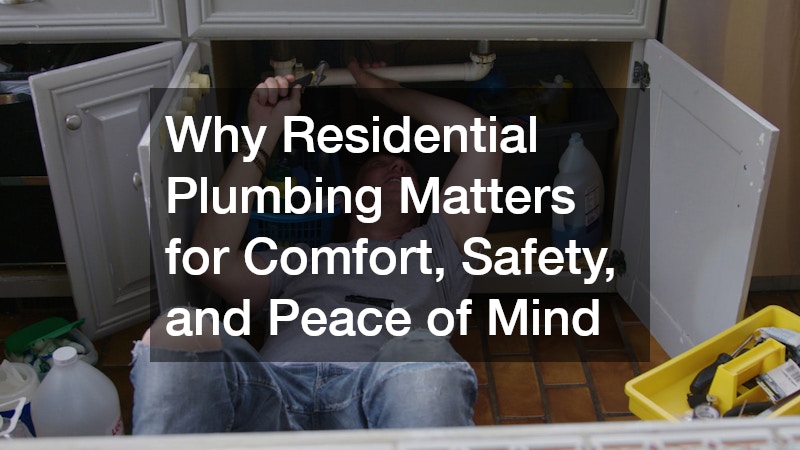
Leaks can occur behind walls, under floors, or beneath sinks. Even a slow drip can waste water and cause mold or structural damage over time. Residential plumbing professionals use specialized tools to locate hidden leaks and repair them before they worsen.
Drain Cleaning and Clog Removal
Clogged drains are among the most common residential plumbing issues. Hair, grease, soap, and food particles can build up inside pipes. Professional drain cleaning restores proper flow without damaging the plumbing system.
Fixture Installation and Repair
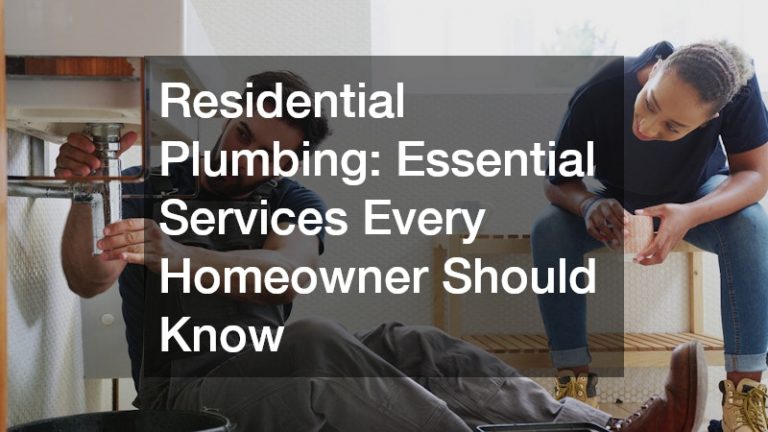
Plumbers install and repair toilets, faucets, bathtubs, showers, and sinks. Proper installation ensures fixtures function correctly and helps prevent leaks, water waste, and premature wear.
Signs You Need Residential Plumbing Service
Plumbing problems often give warning signs before becoming emergencies.
Low Water Pressure
A sudden drop in water pressure may indicate a leak, pipe corrosion, or blockage. Prompt residential plumbing service can identify the cause and prevent further damage.
Slow or Gurgling Drains
Slow drains or gurgling noises often mean there is a blockage or venting issue. Ignoring these signs can lead to complete drain failure or sewer backups.
Water Stains and Damp Areas
Discolored walls, ceilings, or floors can signal hidden leaks. These problems should be addressed quickly by a residential plumbing professional.
Why Professional Residential Plumbing Matters
While DIY repairs may seem tempting, professional plumbing service provides long-term benefits.
Skilled Training and Experience
Licensed plumbers are trained to handle complex residential plumbing systems. They understand how different components work together and can fix problems safely and efficiently.
Compliance With Local Codes
Professional residential plumbing work meets local building codes. This protects homeowners from fines, failed inspections, and insurance issues.
Long-Term Cost Savings
Fixing plumbing issues correctly the first time helps avoid repeated repairs, water damage, and high utility bills caused by leaks or inefficient systems.
Emergency Residential Plumbing Situations
Some plumbing problems require immediate attention to protect your home.
Burst or Frozen Pipes
Burst pipes can release large amounts of water in a short time, causing severe damage. Emergency residential plumbing service can shut off the water and repair the pipe quickly.
Sewer Line Backups
Sewer backups are serious health hazards. Professional plumbers have the tools to safely clear blockages and restore proper drainage.
No Running Water
Losing access to water can disrupt daily life and often points to a major plumbing issue that needs urgent repair.
Preventing Residential Plumbing Problems
Preventive care can significantly reduce the risk of major plumbing issues.
Routine Plumbing Inspections
Annual inspections help identify small problems early. Preventive maintenance keeps residential plumbing systems in good condition year-round.
Careful Drain Use
Avoid flushing wipes, grease, or food scraps down drains. Being mindful of what goes into pipes helps prevent clogs and backups.
Water Pressure Management
Excessive water pressure can strain pipes and fixtures. A plumber can install pressure regulators to protect your residential plumbing system.
Residential Plumbing Upgrades and Improvements
Upgrading plumbing systems can improve efficiency and comfort.
Water-Efficient Fixtures
Low-flow toilets, faucets, and showerheads reduce water usage without sacrificing performance. These upgrades lower utility bills and support conservation.
Pipe Replacement and Repiping
Older homes may have outdated or corroded pipes. Replacing them with modern materials improves reliability and water quality.
Smart Plumbing Technology
Smart leak detectors and automatic shutoff valves alert homeowners to leaks and help prevent water damage.
Residential plumbing is the foundation of a functional and comfortable home. From everyday water use to unexpected emergencies, a reliable plumbing system supports health, cleanliness, and peace of mind. By investing in professional residential plumbing services, regular maintenance, and thoughtful upgrades, homeowners can avoid costly repairs and enjoy dependable performance for years to come.