
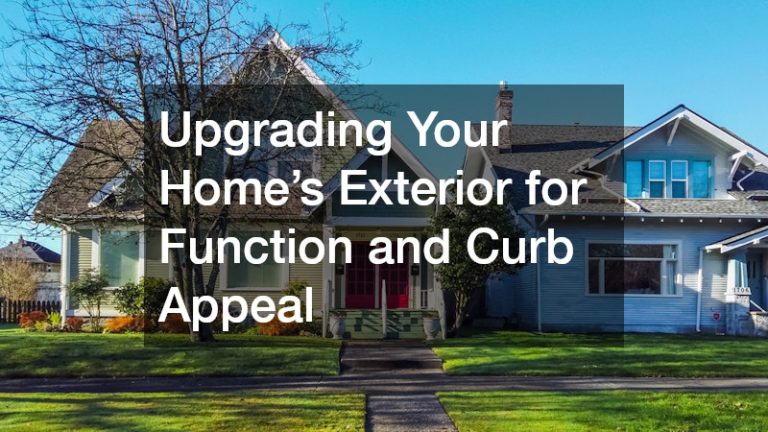
Upgrading your home’s exterior is about more than improving appearance. While curb appeal plays an important role in how a property is perceived, functional improvements provide long-term protection and performance. A well-maintained exterior shields the home from weather, supports structural stability, and contributes to overall comfort. When homeowners approach upgrades with both function and appearance in mind, they create lasting value rather than temporary visual improvements.
Exterior elements are constantly exposed to sun, rain, wind, and temperature fluctuations. Over time, these conditions can wear down surfaces, weaken protective systems, and affect the home’s efficiency. Addressing these concerns proactively helps prevent costly repairs and reduces maintenance demands. Upgrades that improve durability and drainage often go unnoticed at first glance, yet they are essential for protecting the investment beneath the surface.
Beyond protection, exterior upgrades also influence how homeowners feel about their property. A refreshed and well-maintained exterior can create a sense of pride and confidence while improving daily functionality. Clear walkways, proper drainage, and stable surfaces make outdoor spaces easier to use and maintain. Thoughtful improvements can also increase resale appeal by signaling that the home has been cared for responsibly.
This article explores practical ways to upgrade your home’s exterior so it performs reliably while also enhancing visual appeal. Each section highlights improvements that balance structural integrity with design. By planning carefully and prioritizing long-term performance, homeowners can create an exterior that feels cohesive, well-maintained, and resilient. When exterior upgrades are thoughtful and strategic, they strengthen the home’s protection while elevating its overall presentation.
Evaluating the Condition of Exterior Surfaces
Before making visible changes, it is important to evaluate the condition of all exterior surfaces. Siding, trim, walkways, and foundation areas may show signs of wear that are not immediately obvious. Cracks, discoloration, and uneven surfaces can signal deeper concerns that require attention before cosmetic updates are completed. Conducting a thorough assessment helps homeowners prioritize repairs and avoid covering up underlying problems.
Regular inspections also allow homeowners to monitor drainage patterns, surface erosion, and soil movement. Small issues can escalate if left unaddressed, especially in areas exposed to heavy rainfall or temperature shifts. Identifying weak spots early reduces the risk of structural damage and supports better long-term planning. Exterior surfaces should not only look attractive but also provide consistent protection against environmental stress.
Paying attention to joints, seams, and transitions between materials is especially important, as these areas are more vulnerable to moisture intrusion. Checking for soft spots, loose trim, or minor foundation cracks can prevent larger repair projects in the future. A proactive evaluation provides clarity about which improvements should come first.
Working with a landscaper can help assess grading, drainage, and soil stability around the home’s perimeter. Proper grading directs water away from the foundation and reduces moisture-related damage. By addressing these foundational concerns first, homeowners create a stable base for additional upgrades. A careful evaluation ensures that improvements enhance both appearance and structural performance.
Improving Roofing Performance and Protection
The roof plays a central role in protecting a home from weather exposure. It shields interior spaces from rain, snow, and harsh sunlight while supporting insulation and ventilation systems. When roofing materials begin to deteriorate, the entire structure becomes vulnerable to leaks and moisture damage. Improving roofing performance helps maintain comfort and preserve interior finishes.
Routine inspections can identify missing shingles, weakened flashing, or signs of water intrusion. Addressing minor issues promptly prevents larger problems from developing. Roofing improvements also contribute to energy efficiency by supporting proper ventilation and temperature regulation. A strong, well-maintained roof provides peace of mind and reinforces the home’s overall resilience.
In addition to roofing materials themselves, effective gutter installation plays a critical role in water management. Properly functioning gutters direct runoff away from the foundation, reducing the risk of erosion and basement moisture. When roofing and drainage systems work together, they protect both structural integrity and curb appeal. Strengthening these systems ensures that the home remains secure and visually appealing for years to come.
Enhancing Siding for Durability and Style
Siding serves as both a protective barrier and a major visual element of your home’s exterior. It shields the structure from wind, moisture, and temperature fluctuations while contributing significantly to curb appeal. Over time, siding can fade, crack, or warp due to constant exposure to the elements. Upgrading siding improves insulation performance, reduces maintenance demands, and refreshes the overall appearance of the property.
When evaluating siding improvements, homeowners should consider both material durability and aesthetic impact. Modern siding options offer improved resistance to weather damage, pests, and fading. Choosing the right color and texture can dramatically enhance the home’s architectural character while maintaining a cohesive look with roofing and landscaping. A thoughtful siding upgrade strengthens the exterior envelope while elevating visual appeal.
Complementing siding upgrades with a vinyl fence can further enhance both durability and presentation. A well-installed fence adds structure, privacy, and definition to the property while requiring minimal upkeep. Coordinating fence design with siding materials creates a unified exterior appearance that feels intentional and polished. Together, these upgrades improve function and curb appeal in a balanced, long-lasting way.
Upgrading Windows and Doors for Efficiency
Windows and doors play a key role in energy efficiency, natural light, and overall exterior style. Outdated or poorly sealed units can lead to drafts, higher energy bills, and reduced comfort inside the home. Upgrading these elements improves insulation, reduces noise infiltration, and enhances security while also modernizing the home’s façade.
Energy-efficient windows and properly sealed doors help regulate indoor temperatures and reduce strain on heating and cooling systems. Improved framing and glazing technologies offer better performance against moisture and air leaks. Beyond function, updated windows and doors can transform the exterior by adding symmetry, updated trim details, or architectural interest.
Structural updates sometimes require reinforcement or foundation adjustments to ensure long-term stability. In larger renovation projects, concrete pumping may be used to strengthen supporting structures or improve load-bearing capacity. Ensuring that windows and doors are installed on a stable foundation protects against shifting and future damage. Thoughtful upgrades in this area contribute to comfort, efficiency, and a refreshed exterior appearance.
Refreshing Exterior Paint and Finishes
Exterior paint and finishes have a significant impact on curb appeal. Faded, peeling, or outdated colors can make even a well-maintained home look neglected. Refreshing these finishes not only improves visual appeal but also adds a protective layer against moisture and weather exposure. Quality exterior coatings help preserve siding and trim while reducing long-term maintenance needs.
Color selection should complement architectural style and surrounding landscape. Neutral tones create timeless appeal, while subtle accent colors highlight doors, shutters, or trim details. A well-planned color update can modernize the home’s appearance without altering its structural elements. Proper surface preparation and application techniques are essential to ensure durability and longevity.
Enhancing the surrounding garden during exterior refresh projects further strengthens curb appeal. Well-maintained planting beds, clean borders, and coordinated color schemes create a harmonious relationship between the home and its landscape. When paint and garden design work together, they elevate the property’s overall presentation. A refreshed exterior finish combined with thoughtful landscaping improves both protection and visual impact.
Improving Driveways and Walkways
Driveways and walkways contribute significantly to both functionality and curb appeal. Cracked pavement, uneven surfaces, or poor drainage can create safety hazards while detracting from the overall appearance of the home. Improving these areas enhances accessibility, supports proper water runoff, and creates a welcoming entrance. Durable surfaces also reduce long-term maintenance and prevent further structural deterioration.
Upgraded driveways and walkways should be designed with proper grading and drainage in mind. Smooth transitions between surfaces improve safety and make everyday use more convenient. Materials that withstand heavy traffic and weather exposure provide lasting performance while maintaining a clean, finished look.
Working with an asphalt driveway company allows homeowners to address structural concerns and achieve professional results. Proper installation supports longevity, reduces cracking, and enhances curb appeal. When driveway improvements are thoughtfully planned, they strengthen both the function and presentation of the property.
Installing Functional Outdoor Lighting
Outdoor lighting improves safety, visibility, and overall exterior ambiance. Well-placed lighting enhances walkways, entry points, and gathering areas while deterring unwanted activity. Functional lighting upgrades also highlight architectural features and landscaping elements, adding dimension to the home’s exterior after dark.
Strategic placement is key to balancing visibility and aesthetics. Path lights, accent fixtures, and entry lighting should be positioned to reduce shadows and improve navigation. Energy-efficient options help lower operating costs while maintaining reliable performance.
Maintaining surrounding trees is equally important to maximize lighting effectiveness. Proper tree pruning prevents overgrowth from blocking fixtures and helps preserve clean sightlines. Coordinated lighting and landscape care improve both safety and visual appeal. Thoughtful exterior lighting upgrades enhance everyday functionality while elevating curb appeal.
Enhancing Landscaping and Drainage
Landscaping shapes the overall presentation of a home and influences how well it manages water. Poor drainage can lead to soil erosion, foundation issues, and plant damage. Enhancing landscaping with function in mind helps direct water away from the home while improving visual cohesion.
Effective drainage solutions include proper grading, soil stabilization, and carefully selected plantings. These measures help reduce standing water and prevent long-term structural concerns. Landscaping improvements also provide opportunities to create outdoor spaces that feel organized and inviting.
Artificial grass installation can offer a low-maintenance solution that maintains a clean, green appearance year-round. It reduces water usage and minimizes erosion in high-traffic areas. By combining smart drainage planning with thoughtful landscaping upgrades, homeowners improve both performance and curb appeal in a lasting way.
Updating Gutters and Water Management Systems
Effective water management is essential for protecting your home’s exterior and foundation. Gutters, downspouts, and drainage systems work together to redirect rainwater away from vulnerable areas. When these systems fail, water can pool near the foundation, erode soil, and damage siding or landscaping. Updating gutters and related systems helps preserve structural integrity while supporting long-term curb appeal.
Routine inspections can reveal clogs, sagging sections, or improper water flow. Addressing these issues promptly prevents moisture intrusion and reduces the likelihood of costly repairs. Well-maintained drainage systems also protect walkways, driveways, and garden beds from erosion. By improving water control, homeowners create a more stable and resilient exterior.
For homeowners considering larger outdoor enhancements, coordinating water management with features installed by an in ground pool company can help prevent drainage conflicts. Proper planning ensures that runoff is directed away from both the home and outdoor amenities. Updating gutters and water systems strengthens protection while supporting the overall function of the property.
Planning Exterior Upgrades for Long-Term Value
Exterior upgrades are most effective when they are planned with long-term value in mind. While individual improvements can make a visible difference, a coordinated approach ensures that each upgrade supports the others. Prioritizing durability, drainage, and cohesive design helps homeowners avoid repeated repairs and maintain a polished appearance over time.
Planning involves evaluating current conditions, setting realistic budgets, and scheduling improvements in a logical order. Structural and protective updates should generally come before purely cosmetic enhancements. This approach preserves investments and ensures that aesthetic upgrades rest on a stable foundation.
Thoughtful backyard design can bring together landscaping, hardscaping, and functional features in a way that supports both recreation and drainage. A cohesive plan enhances usability while maintaining visual harmony. By approaching upgrades strategically, homeowners create an exterior that remains attractive and functional for years to come.
Upgrading your home’s exterior for function and curb appeal requires more than surface-level changes. While appearance is important, lasting improvements come from strengthening protection, improving drainage, and enhancing durability. When homeowners focus on both structural integrity and visual presentation, they create a property that stands up to environmental challenges while maintaining its appeal.
Each element of the exterior, from roofing and siding to landscaping and lighting, plays a role in the home’s overall performance. Coordinated planning helps ensure that improvements complement one another and reduce the risk of future repairs. Addressing water management, structural support, and durable materials first allows cosmetic upgrades to shine without compromise.
Ultimately, thoughtful exterior upgrades increase comfort, protect the home’s value, and enhance daily living. By taking a strategic and balanced approach, homeowners can create an exterior that feels cohesive, resilient, and welcoming. Investing in long-term performance ensures that curb appeal is backed by lasting protection and functionality.