
If you are planning upgrades to the outside of your home, you are probably wondering which ones actually pay you back and which ones just drain your savings account. Curb appeal matters, but so does return on investment, and the two do not always line up the way homeowners expect. This guide breaks down the exterior projects that reliably boost resale value, how much you can realistically expect to recoup, and what to watch out for before you sign a contract.
Whether you are selling next year or just want a smarter home, understanding the real numbers behind these upgrades will help you spend with confidence.
Roof Replacement and Repair Value
A new roof is one of the few exterior projects that consistently recoups a large share of its cost at resale, often in the 60 to 70 percent range depending on your market. Buyers see a roof as a pass or fail item during inspection, so an aging or damaged one can tank a sale before negotiations even start. Getting quotes from a few established roofing companies before you list your home can help you understand whether a full replacement or a targeted repair makes more financial sense.
Material choice also changes the math considerably. Asphalt shingles remain the most cost-effective option for most homes, while steel and aluminum systems installed by experienced metal roofing contractors tend to cost more upfront but last two to three times longer and often appeal to buyers looking for lower long-term maintenance.
- Asphalt shingle roofs typically return a solid portion of their installed cost
- Metal roofs can last 40 to 70 years with minimal upkeep
- Roof age is one of the first things appraisers and inspectors note
- Patching small leaks early prevents costlier structural damage later
Driveway and Walkway Resurfacing
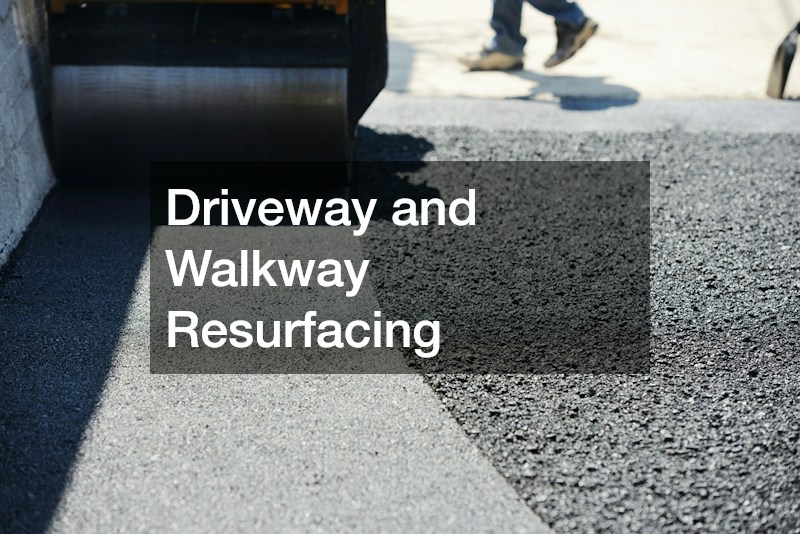
Cracked, sunken, or weedy driveways are an instant red flag for buyers, even if the rest of the home looks pristine. Investing in professional asphalt paving can smooth out these first impressions and typically returns a meaningful portion of the project cost, especially in colder climates where pavement damage is common and expected by buyers.
Beyond resale value, a freshly paved driveway reduces trip hazards and improves drainage around the foundation, which protects the rest of your exterior investment. Sealcoating every two to three years extends the life of new asphalt significantly and is far cheaper than a full repour.
- Fresh asphalt can make a home look newer than it is
- Cracks wider than a quarter inch should be addressed before winter
- Proper grading prevents water pooling near the foundation
- Sealcoating costs a fraction of repaving
Fencing Choices That Buyers Notice
Fencing adds both privacy and perceived safety, two things that matter enormously to buyers with kids or pets. A well-chosen fence can also define yard boundaries clearly, which helps during appraisals and eliminates property-line disputes that might otherwise scare off cautious buyers. Classic wood fences remain the most popular choice among buyers because they feel warm and natural, and they can be stained or painted to match a home’s exterior palette. Cedar and pine are common picks, with cedar lasting 15-20 years thanks to its natural rot resistance, while pine costs less upfront but needs more frequent sealing.
Height and style matter too. A 4-foot picket fence reads as charming and low-maintenance, while a 6-foot privacy fence signals seclusion and security, often a bigger draw in urban or close-set suburban lots. Buyers also notice condition over material. A newer vinyl or aluminum fence in pristine shape can outshine a weathered wood fence, so factoring in upkeep and realistic lifespan is just as important as the initial style choice.
The tradeoff is maintenance. Wood requires periodic staining and repair to avoid rot, typically every two to three years, while vinyl and aluminum alternatives cost more upfront but need far less upkeep over time. A 150-foot wood fence might run $3,000 to $5,000 installed, compared to $5,000 to $8,000 for vinyl, but that gap shrinks once you factor in a decade of staining, sealing, and board replacement. Buyers increasingly notice these differences during walkthroughs, especially in humid climates where wood fences show wear faster. A fence that’s visibly leaning, graying, or missing pickets can quietly undercut an otherwise strong first impression, even if the rest of the exterior looks sharp.
Choosing the right material depends on your climate, your timeline to sell, and how much ongoing maintenance you are willing to handle. If you plan to list within a year or two, a well-maintained wood fence may deliver a better return than investing in a full vinyl replacement. But if you’re upgrading for the long haul, the lower lifetime cost of vinyl or aluminum often makes more financial sense.
- A well-maintained fence can add noticeable value in family neighborhoods, especially where buyers prioritize safety for kids and pets
- Rot and leaning posts are the most common wood fence complaints, and both signal deferred maintenance that can lower a buyer’s first impression
- Privacy fences (six feet or taller) often return more value than shorter decorative styles, particularly on corner lots or properties backing busy streets
- Vinyl and composite fencing cost more upfront but appeal to buyers wary of repainting or re-staining every few years
- Local permit rules often dictate maximum height and placement, and ignoring them can mean costly removal or fines after the fact
- Shared property lines should be confirmed with a survey before installation to avoid disputes with neighbors at resale
Porch and Entryway Additions

The front entry is the first thing a buyer or appraiser sees up close, and a tired, cracked, or undersized porch can undercut an otherwise strong listing. Hiring skilled porch contractors to rebuild or expand an entryway is one of the more visually impactful upgrades you can make, often returning a strong percentage of its cost because it changes the entire character of the facade.
Small details matter just as much as the overall structure. New railings, updated lighting, and a wider step landing all signal that the home has been cared for, which gives buyers more confidence in the rest of the property.
- A covered porch can add usable outdoor living space buyers love
- Composite decking reduces long-term maintenance compared to wood
- Updated railings improve both safety and curb appeal
- Matching porch style to the home’s architecture matters for resale
Shade Structures and Window Treatments
Energy efficiency has become a real selling point, and buyers increasingly ask about cooling costs before making an offer. Installing exterior sun shades over large windows or patios can cut indoor heat gain significantly, making a home feel more comfortable and reducing strain on cooling systems during peak summer months.
These additions also protect furniture, flooring, and siding from UV damage, which appraisers and inspectors sometimes note as a sign of proactive home maintenance. They are relatively inexpensive compared to major renovations but offer a visible, tangible benefit that buyers can see during a showing.
- Retractable shades offer flexibility for different seasons
- Reduced glare makes outdoor living spaces more usable
- UV protection extends the life of outdoor furniture and flooring
- Energy savings can be highlighted in listing descriptions
HVAC System Condition and Curb Appeal
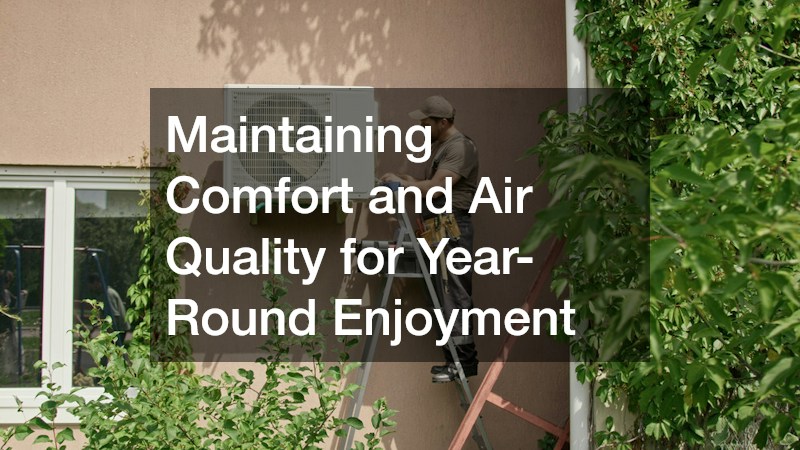
Exterior value is not only about what you see from the street. A visible, well-maintained outdoor condenser unit tells buyers the home’s systems have been looked after. Getting quotes from reputable AC companies before listing can help you decide whether a unit needs replacement or simply a tune-up before showings begin.
Ignoring strange noises or weak airflow until a buyer’s inspector finds them is a common mistake. Scheduling routine AC repairs as issues arise, rather than waiting for a full breakdown, keeps small problems from becoming expensive negotiating points during escrow.
- A properly sized unit cools more efficiently and lasts longer
- Annual tune-ups catch refrigerant leaks and worn parts early
- Clean, landscaped areas around outdoor units improve appearance
- Energy Star-rated systems appeal to efficiency-minded buyers
Landscaping and Hardscape Improvements
Landscaping is often the cheapest way to boost perceived value, and it pays off disproportionately well compared to its cost. Fresh mulch, trimmed shrubs, and defined garden beds can transform a tired yard into one that photographs beautifully for listings.
Hardscape elements like retaining walls, stone pathways, and patios add structure and make outdoor space feel intentional rather than neglected. These upgrades also tend to last for decades with minimal upkeep, making them a smart long-term investment even if you are not selling soon.
- Mature trees can add thousands to perceived property value
- Defined garden beds reduce the appearance of a neglected yard
- Stone or paver patios extend usable outdoor living space
- Low maintenance native plants reduce watering costs
Plumbing and Exterior Water Systems
Exterior spigots, irrigation lines, and drainage systems are easy to overlook but can cause major headaches during a home inspection if they are leaking or outdated. Calling a licensed plumber to inspect outdoor lines before listing can catch slow leaks that otherwise go unnoticed until they damage siding or foundations.
Updating exterior fixtures such as hose bibs and sprinkler valves is inexpensive compared to the water damage they can prevent. Buyers also appreciate working irrigation systems, since a dead lawn from a broken sprinkler head is an immediate red flag during a showing.
- Slow leaks near the foundation can cause hidden structural damage
- Frost-free hose bibs prevent winter pipe bursts
- Working irrigation systems keep landscaping looking its best
- Addressing small plumbing issues early avoids bigger repair bills
New Construction Versus Renovation Decisions

Before investing heavily in upgrading an aging home, it’s worth stepping back to understand how new construction in your area is priced and built. Newer developments often set the benchmark for buyer expectations, whether that’s quartz countertops, energy-efficient windows, or specific exterior finishes like fiber cement siding and stone veneer accents. If homes down the street are selling with these features standard, your renovation choices should take that into account. Talking with a local home builder can give you a realistic sense of what buyers expect in newer homes nearby, along with rough costs for materials and labor in your market. Builders often know which features are must-haves versus nice-to-haves based on what’s actually moving inventory, not just what looks good in a showroom.
This conversation can also reveal regional trends, such as whether buyers in your area prioritize low-maintenance materials over premium aesthetics. This insight helps you calibrate which upgrades are worth matching and which are unnecessary. For example, if new builds in your neighborhood average $8 to $12 per square foot for siding upgrades, you’ll have a benchmark for whether your own renovation budget is reasonable. Skipping this research can mean overspending on features buyers won’t notice or underinvesting in the ones that actually drive offers.
This comparison also helps set realistic expectations for return on investment. If new construction dominates your market, buyers touring those homes come away with a mental benchmark: energy-efficient windows, updated siding, modern garage doors, and low-maintenance materials all standard from day one. Renovated homes get measured against that benchmark whether it’s fair or not. That means your renovation choices should lean toward similar standards rather than purely cosmetic fixes. Swapping in a fresh coat of paint or basic landscaping might improve curb appeal in the short term, but it won’t close the gap if buyers expect house wrap, upgraded insulation, or fiber cement siding behind the scenes.
Mid-range exterior remodels, like replacing old siding with engineered wood or installing a new entry door, tend to recoup 70-90% of their cost precisely because they mimic new construction quality without the new construction price tag. Budget accordingly: a full siding replacement might run $12,000-$18,000 for an average-sized home, while new windows throughout can add another $10,000-$15,000. Weigh these costs against what comparable new builds in your area actually include, not just what they look like from the curb, since buyers increasingly ask about efficiency ratings and warranty coverage during showings.
- New builds set the bar for buyer expectations, often featuring stone-and-siding combos, oversized garage doors, and craftsman-style trim that shoppers now expect even in older neighborhoods
- Matching popular finishes helps older homes compete, especially updates like fiber-cement siding, black-framed windows, and modern garage doors that mirror new-construction curb appeal
- Energy codes in new construction push features like better-insulated windows and sealed garage doors, which shapes what buyers expect from resale homes too
- Renovation costs can sometimes exceed the value of starting fresh, particularly when structural issues, outdated electrical, or drainage problems hide behind existing siding
- A simple cost comparison per square foot for re-siding versus full replacement can clarify whether renovation still makes financial sense
- Local permitting rules and HOA guidelines may also tilt the decision, since some renovations face fewer restrictions than new builds
Conclusion
Exterior upgrades can meaningfully increase your home’s value, but the real payoff comes from prioritizing the projects that buyers notice and inspectors scrutinize most. Start with the big ticket items like roofing, driveways, and HVAC condition, then layer in smaller improvements like fencing, shade structures, and landscaping to round out the appeal. Get a few professional quotes before committing to any major project, and weigh each investment against what similar homes in your area are already offering. With a clear plan and realistic budget, you can boost both your home’s curb appeal and its resale value at the same time.