

Turning a vision into a custom dream home begins long before construction starts. It starts with thoughtful planning, clear priorities, and an understanding of how a home should function both now and in the future. A custom build offers the opportunity to shape every detail, from layout and flow to long-term comfort and adaptability. This level of control allows homeowners to create spaces that reflect their lifestyle, personal taste, and practical needs rather than fitting into a predefined structure.
Building a custom home also requires balancing creativity with structure. While it’s exciting to imagine finishes, features, and design elements, success depends on aligning those ideas with realistic planning. Early decisions influence nearly every stage of the process, including timelines, costs, and overall satisfaction. Taking time to define goals, anticipate challenges, and approach the process methodically helps reduce stress and unexpected changes later. A well-planned build also encourages better communication, clearer expectations, and smoother transitions between phases. With the right foundation of planning and communication, the journey from vision to completion becomes more manageable, efficient, and ultimately rewarding.

Defining Your Vision and Lifestyle Needs
A clear vision is the cornerstone of a successful custom home project. Before making design or construction decisions, it’s important to consider how the home will support daily life. This includes thinking about household size, work-from-home needs, entertaining preferences, storage requirements, and long-term plans. A well-defined vision helps guide choices and prevents conflicting decisions as the project progresses.
More specifically, understanding how the home will function on a practical level is essential. For example, homes built outside urban areas may require coordination with septic companies to determine system placement and capacity early in the planning process. These considerations influence layout, lot use, and future flexibility. Evaluating these needs alongside personal priorities helps create a home that supports both comfort and efficiency. Taking extra time during this stage also encourages better decision-making, helping homeowners avoid revisions later. When vision and lifestyle needs are clearly defined from the start, the entire build process becomes more focused, efficient, and aligned with long-term goals.
Establishing a Realistic Budget and Timeline
A realistic budget provides structure and clarity throughout the custom home process. It allows homeowners to prioritize features, make informed trade-offs, and maintain control over spending. Beyond construction costs, a comprehensive budget accounts for design, permits, materials, labor, and contingencies. Establishing a clear financial framework early helps keep expectations aligned and decisions consistent as the project evolves.
On a more detailed level, budgeting also includes planning for site preparation and waste management. Coordinating services like dumpster rental helps manage debris efficiently during different construction phases. Factoring these logistical costs into the budget prevents surprises and keeps the project moving smoothly. A well-planned timeline works alongside the budget, accounting for permitting, weather conditions, and material availability. Together, a realistic budget and timeline create a roadmap that supports steady progress and reduces unnecessary stress throughout the build.
Choosing the Right Location and Lot
Selecting the right location and lot is one of the most influential decisions in a custom home project. The property you choose affects everything from design possibilities to long-term comfort and resale value. Factors such as climate, surrounding development, access to roads, and proximity to daily necessities all play a role in how well the home will serve your lifestyle. A thoughtfully chosen lot supports natural light, privacy, drainage, and outdoor living potential, all of which contribute to how the finished home feels and functions.
On a more practical level, the characteristics of the land can shape construction requirements and costs. Properties in rural or undeveloped areas often require additional planning related to utilities, soil conditions, and water access. For example, well drilling may be necessary to provide a reliable water source, and its placement can influence both the home’s footprint and future landscaping plans. Evaluating these site-specific needs early helps align design decisions with the realities of the land. Considering zoning, easements, and long-term development around the property also supports smarter choices. When location, lot features, and infrastructure considerations are reviewed together, homeowners can move forward with greater confidence and fewer surprises.

Collaborating With Designers and Builders
Collaboration is a defining element of a successful custom home build. Designers and builders translate ideas into plans, balancing creativity with structural requirements and feasibility. Clear communication from the start allows all parties to work toward a shared vision while addressing practical constraints. When collaboration is strong, decisions feel intentional rather than reactive, and the project benefits from consistent direction.
More specifically, working with a building design firm helps bridge the gap between inspiration and execution. Designers consider spatial flow, natural light, structural integrity, and how the home will adapt over time. Their expertise helps refine ideas into plans that are visually appealing and functional. Regular collaboration allows adjustments to be made early, reducing revisions later in construction. When designers and builders are aligned, the process becomes more efficient, helping the project stay organized while preserving the original vision.
Preparing the Property for Construction
Before construction begins, the property must be prepared to support safe and efficient building activity. This stage involves evaluating existing conditions and removing obstacles that could interfere with progress. Proper preparation sets the tone for the entire project, reducing delays and protecting the long-term integrity of the home. A well-prepared site allows construction to move forward methodically and safely.
On a more detailed level, site preparation often includes grading, vegetation removal, and addressing drainage concerns. Hiring a land clearing service helps remove trees, brush, and debris while preserving areas that support future landscaping plans. This step improves access for equipment and creates a stable foundation for construction. Thoughtful preparation also reduces the risk of erosion or water-related issues later. By investing time and planning into site readiness, homeowners create a solid starting point that supports smoother construction from the ground up.
Removing Existing Structures When Needed
Some custom home projects begin with a clean slate, while others require the removal of existing structures before new construction can move forward. This phase is essential when older buildings no longer meet safety standards, zoning requirements, or design goals. Removing outdated structures allows homeowners to fully reimagine the property without being constrained by previous layouts. When handled correctly, this step clears the way for a home that better reflects modern needs and long-term plans.
On a more specific level, working with a demolition company helps manage this process safely and efficiently. Professionals assess structural materials, utilities, and environmental considerations before removal begins. Proper planning helps protect surrounding areas and supports compliance with local regulations. Clearing the site in a controlled manner also allows construction to proceed without delays caused by hidden hazards. In addition, thoughtful demolition planning can preserve usable materials, reduce waste, and improve site accessibility for heavy equipment. By addressing removal early and strategically, homeowners create a safer, more adaptable foundation for the next stages of construction.
Planning for Future Updates and Improvements
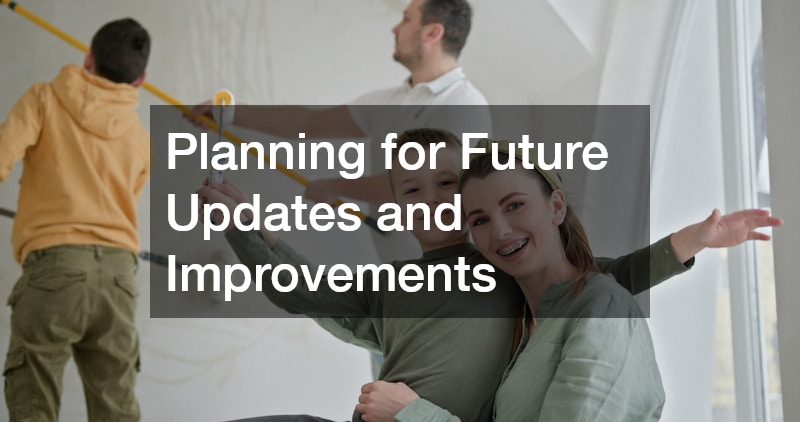
A custom home is not just designed for the present but also for the years ahead. Planning for future updates allows the home to evolve alongside changing lifestyles, family needs, and technology. Designing flexible spaces and adaptable systems helps extend the home’s usefulness while reducing the need for major alterations later. Thinking ahead encourages smarter decisions that balance current desires with long-term practicality.
More specifically, anticipating future home renovation needs can influence layout, structural choices, and material selection. Features such as unfinished basements, accessible utility areas, and modular design elements make future updates more manageable. Preparing for potential expansions, accessibility modifications, or energy upgrades also supports long-term comfort and value. By incorporating adaptability early, homeowners can make improvements over time without disrupting the home’s core structure. This forward-thinking approach supports lasting value and helps the home remain functional as priorities shift.
Coordinating the Final Transition
The final transition into a custom home marks the shift from construction to everyday living. This stage involves tying together remaining details, completing inspections, and preparing the home for occupancy. A smooth transition helps homeowners settle in comfortably and start enjoying their new space without unnecessary stress. Proper coordination at this stage helps bring the entire project to a satisfying close.
On a more practical level, coordinating with local movers supports an organized and efficient move-in process. Scheduling the transition carefully helps prevent overlap with final construction tasks or inspections. Clear communication and planning allow belongings to arrive safely and in an orderly way. In addition to the physical move, this phase often includes walkthroughs, warranty documentation, and system demonstrations to help homeowners understand how everything functions. Taking time to review these details reduces confusion and supports confidence in the new space. Planning utilities, internet setup, and security systems ahead of time also helps the home feel fully operational from day one. By approaching the final transition with the same care as earlier phases, homeowners can avoid last-minute challenges and enjoy a smooth, well-prepared move into their custom dream home.
Installing Core Systems and Utilities
Behind every well-functioning custom home is a network of core systems that support daily living. These systems often remain unseen, but they play a critical role in comfort, safety, and long-term reliability. Planning utility placement early helps support efficient layouts and reduces the risk of future disruptions. Thoughtful coordination during this stage allows the home to function smoothly while supporting future upgrades and maintenance.
More specifically, working with plumbing contractors is essential to creating systems that are both durable and efficient. Plumbing influences everything from kitchen design and bathroom layouts to water pressure and energy use. Proper installation helps prevent leaks, drainage issues, and costly repairs down the road. When plumbing is planned alongside electrical and mechanical systems, the home benefits from improved efficiency and accessibility.
Beyond initial installation, long-term performance depends on smart system planning. Designing clear access points for maintenance, using quality materials, and accounting for future technology upgrades can significantly extend system lifespan. Properly planned utilities also support energy efficiency, helping reduce operating costs over time. Coordinating inspections and testing before walls are closed helps identify issues early, avoiding costly corrections later. When core systems are installed with precision and foresight, the home gains reliability, efficiency, and adaptability. This attention to detail creates a strong infrastructure that supports everyday comfort while protecting the investment for years to come.

Protecting Your Home With Durable Materials
The materials chosen for a custom home play a major role in its durability, energy efficiency, and visual appeal. Exterior elements must withstand weather exposure while supporting the architectural style of the home. Selecting high-quality materials helps protect the structure, reduce maintenance needs, and extend the life of the building. These decisions contribute not only to curb appeal but also to long-term value.
On a more specific level, the roof is one of the most important protective features of the home. Working with a roofer helps align material selection with climate conditions, design goals, and performance expectations. Roofing choices affect insulation, ventilation, and moisture control, all of which influence comfort inside the home. Proper installation and material selection help safeguard the structure while supporting energy efficiency. By prioritizing durability and craftsmanship, homeowners create a protective layer that supports the home for years to come.
Turning a vision into a custom dream home is a journey built on thoughtful decisions, careful planning, and long-term perspective. From defining lifestyle needs and preparing the property to coordinating construction details and planning future improvements, each step plays a role in shaping the final outcome. When the process is approached with clarity and intention, the result is a home that reflects personal values while supporting everyday comfort.
A successful custom build balances creativity with practicality. Early planning helps prevent delays, manage costs, and reduce stress throughout the project. By thinking ahead and approaching each phase methodically, homeowners can navigate challenges with greater confidence. The end result is more than a finished structure—it is a space designed to evolve, support changing needs, and provide lasting satisfaction. With the right preparation and mindset, turning a vision into a custom dream home becomes a rewarding and enduring achievement.