
Every home has a set of critical systems working quietly behind the scenes, and most homeowners only think about them when something breaks. Waiting for a leaky roof, a flickering circuit, or a rattling furnace to fail completely almost always costs more than addressing it proactively. This guide walks through the major systems worth watching, the warning signs that signal it is time to act, and how to plan upgrades before a small issue becomes an emergency. Taking a proactive approach protects your investment, your safety, and your peace of mind.
Reading the Warning Signs on Your Roof
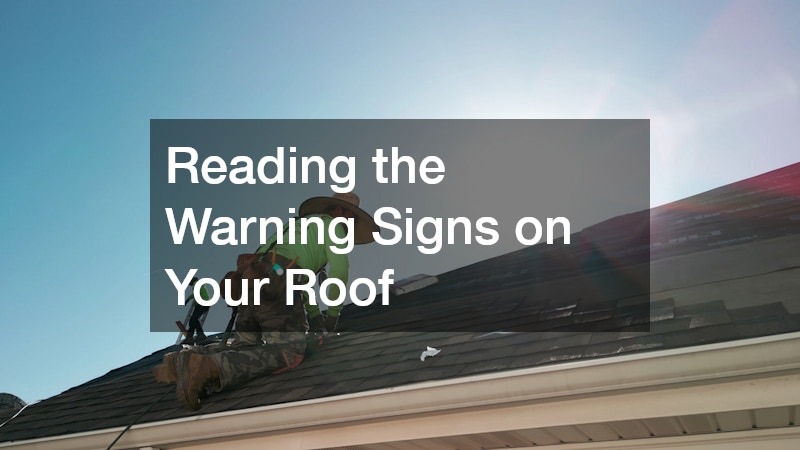
The roof is one of the most expensive systems to replace, yet it is often the most neglected until water starts dripping through the ceiling. Curling shingles, granule buildup in gutters, and daylight visible through the attic boards are all signs that the covering is nearing the end of its useful life. Waiting too long can lead to structural rot, mold growth, and damaged insulation, all of which multiply repair costs quickly.
Scheduling a professional inspection every few years, especially after severe storms, gives you a realistic timeline for replacement rather than a guessing game. Experienced roofers can identify soft spots, flashing failures, and ventilation problems that are invisible from the ground. Catching these issues early often means a targeted repair instead of a full tear-off.
- Check for missing or cracked shingles after major wind events
- Look for sagging rooflines, which can indicate structural damage
- Monitor attic humidity and insulation for signs of hidden leaks
- Ask for a written estimate that separates repair versus replacement costs
Refreshing Wet Areas Before Damage Spreads
Bathrooms, kitchens, and entryways take a beating from moisture, foot traffic, and temperature changes, and worn surfaces there can hide bigger problems underneath. Cracked grout or loose flooring is not just cosmetic; it often allows water to seep into subfloors and cause rot that spreads unnoticed. A qualified tile company can assess whether the surface issue is isolated or a symptom of a moisture barrier that has already failed.
Replacing tile in these high-use areas before failure also gives you the opportunity to upgrade slip resistance and drainage, which matters especially for households with children or older adults. Modern setting materials and grout sealants last far longer than older installations, reducing the frequency of future repairs. Addressing this proactively is far cheaper than dealing with subfloor replacement after water damage has already taken hold.
- Inspect grout lines annually for cracking or discoloration
- Watch for a hollow sound when tapping tiles, which can signal loose adhesion
- Prioritize bathrooms and kitchens since they see the most moisture exposure
- Consider slip-resistant options in high-traffic wet areas
Protecting Your Home With Modern Safety Technology
Fire safety is one area where outdated equipment can have life-or-death consequences, yet many homes still rely on smoke detectors and extinguishers that are decades old. Modern fire emergency systems now integrate smoke detection, carbon monoxide monitoring, and automatic notifications that alert homeowners and emergency responders simultaneously. This kind of interconnected coverage gives families precious extra minutes to evacuate safely.
Upgrading these systems is especially important in older homes where wiring and detector placement may no longer meet current safety codes. A professional assessment can reveal blind spots in coverage, such as unmonitored basements or attached garages where fires often start. Investing in updated technology now is far less disruptive than discovering gaps during an actual emergency.
- Replace smoke detectors every 8 to 10 years, even if they still function
- Add carbon monoxide detectors near sleeping areas and fuel-burning appliances
- Consider monitored systems that notify responders automatically
- Test all alarms monthly and replace batteries on a consistent schedule
Recovering Quickly if the Worst Happens
Even with the best prevention, fires and smoke incidents can still occur, and how quickly you respond afterward has a major impact on long-term damage. Soot and smoke residue are acidic and can continue corroding surfaces, wiring, and appliances for days if left untreated. Calling a fire damage cleaning service promptly after an incident helps prevent secondary damage like lingering odors, discoloration, and material breakdown.
These professionals use specialized equipment to remove smoke particles from porous materials such as drywall, insulation, and fabric that standard cleaning cannot reach. They also assess structural safety before restoration begins, which is critical since fire can weaken framing in ways that are not immediately visible. Acting fast in this window often determines whether a home can be restored or requires a much larger rebuild.
- Avoid using electrical systems or appliances until they are inspected after a fire
- Document all damage with photos before cleanup begins
- Ventilate the space carefully to avoid spreading soot further
- Work with restoration professionals experienced in structural safety checks
Planning Ahead When You Own Rental Property
Landlords face a different set of pressures because system failures affect tenants directly and can lead to costly vacancies or legal complications. A burst pipe or dead furnace in the middle of winter isn’t just an inconvenience — it can trigger emergency repair bills, habitability disputes, and even withheld rent in some jurisdictions.
Anyone managing apartment rentals should build a proactive maintenance calendar that covers HVAC servicing, plumbing checks, and electrical inspections well before lease renewals. A practical schedule might include HVAC tune-ups every spring and fall, water heater flushes annually, and a full electrical panel inspection every three to five years, depending on the age of the property. Budgeting one to two percent of a property’s value each year toward maintenance and system replacement reserves can help owners avoid scrambling for funds when a major component finally fails.
It also helps to track the age and expected lifespan of each major system per unit, since a 15-year-old water heater or a 20-year-old furnace is living on borrowed time. Keeping simple maintenance logs for each property makes it easier to spot patterns, plan capital expenditures, and prove due diligence if a tenant dispute ever arises.
Tenants are far more likely to renew a lease when they trust that the property is well maintained and issues are addressed quickly. Responsive, well-documented upkeep not only reduces emergency repair costs but also strengthens a landlord’s reputation, which pays off through lower vacancy rates and easier tenant retention over time.
Coverage also plays a major role in protecting a rental investment, since standard policies do not always account for the unique risks of tenant-occupied properties. A dwelling fire policy or landlord-specific rider often covers loss of rental income, liability from tenant injuries, and vandalism—protections a typical homeowner’s policy simply doesn’t include. Reviewing your home insurance policy annually ensures it reflects current replacement costs for major systems like roofing, plumbing, and electrical work, especially since material and labor costs have climbed 20-30% in many markets over the past few years.
Landlords who update coverage alongside physical upgrades avoid painful gaps between what a repair costs and what insurance actually pays out. For example, replacing an aging electrical panel or repiping a unit can shift a home into a lower risk category, sometimes qualifying for premium discounts if the insurer is notified promptly. Conversely, failing to report these upgrades—or neglecting to report deferred maintenance—can lead to denied claims if an adjuster determines a system failure was foreseeable.
It’s also worth comparing actual cash value versus replacement cost coverage, since older HVAC systems or roofs may only be reimbursed at depreciated value under some policies. Keeping receipts, permits, and inspection reports for every major system upgrade creates a paper trail that speeds up claims and strengthens your negotiating position if a dispute arises.
- Schedule seasonal inspections between tenant turnovers, focusing on HVAC, water heaters, and electrical panels before new leases begin
- Keep detailed maintenance records, including dated photos and contractor invoices, in case of insurance claims or disputes
- Compare policy limits against current material and labor costs annually, since rebuild costs can rise 5-10% year over year
- Set aside 1-2% of property value annually in a dedicated reserve fund for major system replacements
- Communicate upgrade timelines clearly with tenants, giving at least 30-day written notice to reduce disputes
- Stagger upgrades across multiple units when possible to avoid simultaneous vacancy losses and cash flow strain
Keeping Water Systems Running Smoothly
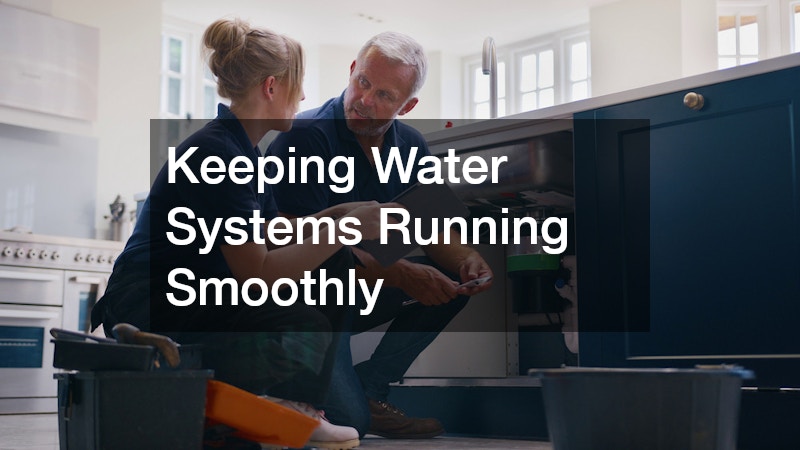
Plumbing problems rarely announce themselves loudly until a pipe bursts or a slow leak has already caused hidden water damage. Aging galvanized pipes, corroded joints, and outdated water heaters are common culprits behind sudden failures in homes older than thirty years. Scheduling a periodic evaluation from licensed plumbing services can catch corrosion and pressure issues long before they become emergencies.
Water heaters in particular have a limited lifespan, typically between eight and twelve years, and many homeowners do not realize theirs is overdue for replacement until it leaks. Replacing an aging unit proactively is far less expensive than dealing with water damage to flooring, walls, and belongings. Upgrading to a tankless or high-efficiency model can also reduce monthly utility costs over time.
- Watch for discolored water, which can indicate pipe corrosion
- Note unusual increases in your water bill as a possible sign of hidden leaks
- Have your water heater flushed annually to extend its lifespan
- Ask about shut-off valve locations so you can respond quickly to leaks
Addressing Windows and Glass Before They Compromise Efficiency
Windows do more than let in light; they play a major role in insulation, security, and overall home value. Cracked seals, foggy panes, and drafts around window frames are signs that the glass has lost its efficiency and may need attention. Arranging glass replacement before a full failure occurs helps maintain consistent indoor temperatures and lowers heating and cooling costs.
Beyond efficiency, damaged glass can also be a safety concern, particularly in homes with children or older single-pane windows that shatter easily. Upgrading to modern insulated or tempered glass adds a layer of protection while also improving curb appeal. Homeowners often notice a difference in comfort within the first heating season after replacing worn windows.
- Check for condensation between panes, a sign the seal has failed
- Feel for drafts around frames during colder months
- Consider impact-resistant glass in storm-prone regions
- Factor in energy efficiency ratings when comparing replacement options
Making Sure Your Wiring Can Handle Modern Demand
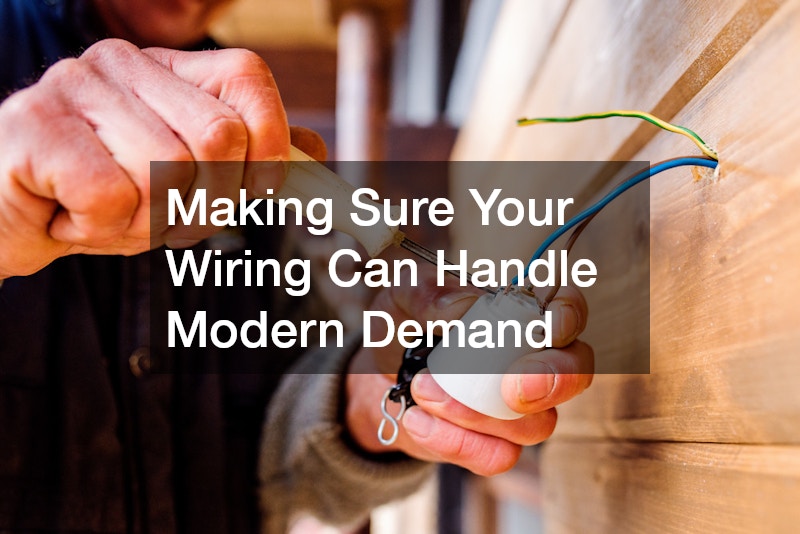
Homes built decades ago were never designed to handle the number of devices, appliances, and chargers common in today’s households. Overloaded circuits, flickering lights, and warm outlet covers are all signs that the electrical system may be struggling to keep up. Bringing in a licensed electrical contractor for a full panel assessment can reveal whether your home needs updated wiring, additional circuits, or a completely new panel.
Outdated aluminum wiring or fuse boxes are common in older homes and present real fire risks if left unaddressed. Modern panels not only support higher electrical loads safely but also make it easier to add features like electric vehicle chargers or smart home systems later on. Addressing wiring concerns before a failure occurs is one of the most important safety upgrades a homeowner can make.
- Watch for breakers that trip frequently under normal use
- Note buzzing sounds or warm spots near outlets and switches
- Ask about panel capacity if you plan to add major appliances
- Prioritize replacing aluminum wiring or outdated fuse boxes
Refreshing Interior Surfaces to Protect What Is Underneath
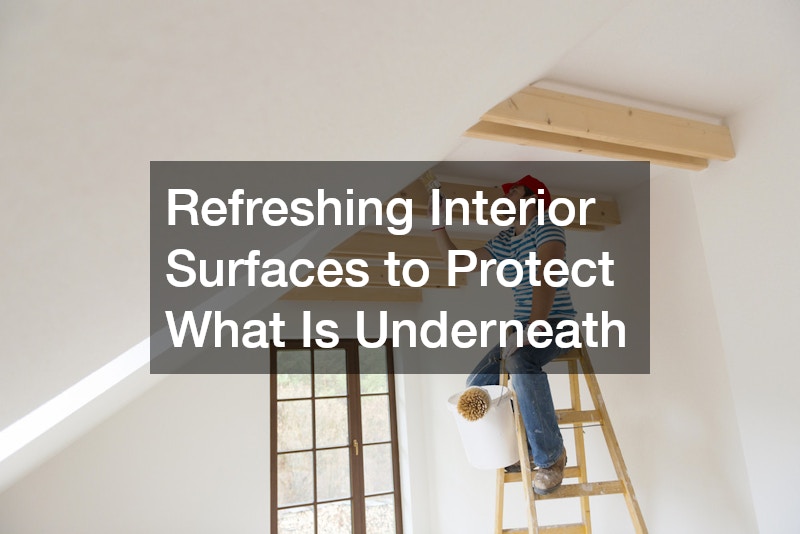
While paint is often thought of as purely cosmetic, it also acts as a protective barrier against moisture, mildew, and material degradation. Peeling or cracking paint on walls, trim, or ceilings can indicate underlying humidity issues that deserve a closer look before repainting. Hiring local painters who understand proper surface preparation ensures that new coats last longer and actually address the root cause rather than masking it temporarily.
Interior surfaces near kitchens, bathrooms, and basements are especially prone to moisture-related paint failure, which can be an early indicator of ventilation or plumbing issues. Addressing these signs early, rather than simply repainting over them repeatedly, helps homeowners catch problems while they are still manageable. A fresh, properly applied coat also protects drywall and trim from further wear, extending the life of the materials underneath.
- Inspect areas near windows and bathrooms for peeling or bubbling paint
- Address ventilation issues before repainting moisture-prone rooms
- Use mold-resistant paint in high-humidity spaces
- Schedule touch-ups every few years to protect trim and drywall
Modernizing your home’s critical systems is not about chasing every new upgrade on the market; it is about recognizing warning signs early and acting before small problems become expensive emergencies. Start with the systems that pose the greatest safety or financial risk, such as roofing, electrical, and fire protection, then work through the rest on a realistic timeline. Keeping detailed records and working with qualified professionals along the way makes future repairs, insurance claims, and resale conversations far easier. Your home will reward the effort with fewer surprises and a safer, more comfortable living space for years to come.