
Every home tells a story, and over time, that story begins to show through wear, damage, and aging materials. What starts as a small crack or minor leak can quickly evolve into a much larger issue if left unchecked. Homeowners often delay repairs, assuming problems are cosmetic or temporary. In reality, these issues tend to compound, affecting multiple systems at once. Understanding when to act—and who to call—can make all the difference in protecting your investment.
A well-maintained home requires more than occasional fixes; it demands a proactive mindset. Instead of reacting to emergencies, successful homeowners anticipate and address problems early. This approach not only reduces long-term costs but also preserves structural integrity. Knowing the right professionals to involve at each stage ensures that repairs are done correctly the first time. With the right strategy, even significant issues can be managed effectively.
When Your Home Starts Showing Its Age

Homes rarely deteriorate all at once, which makes early warning signs easy to overlook. Small cracks in walls, uneven floors, or doors that no longer close properly often signal deeper structural concerns. These issues may seem minor at first, but they typically indicate underlying movement or material fatigue. Paying attention to these details allows homeowners to intervene before damage spreads. Early detection is one of the most effective tools in home maintenance.
Delaying repairs can turn manageable problems into costly emergencies. A minor leak, for example, can lead to mold growth, wood rot, and compromised structural components. Over time, the cost of fixing these compounded issues far exceeds the expense of early intervention. Homeowners who adopt a proactive approach tend to experience fewer disruptions and lower overall repair costs. Preventive action is always more efficient than reactive repair.
Shifting your mindset from reactive to proactive home care is essential. This means scheduling regular inspections and addressing concerns as they arise. It also involves understanding how different systems in your home interact with one another. A problem in one area often affects another, creating a chain reaction. Taking ownership of ongoing maintenance helps preserve both value and safety.
The Anatomy of a Damaged Home: What’s Actually Going On
Water is one of the most destructive forces a home can face. When moisture infiltrates a structure, it can damage wood, drywall, insulation, and even electrical systems. This process often begins in hidden areas, making it difficult to detect early. Over time, the effects become visible through stains, warping, or mold growth. Addressing water intrusion quickly is critical to limiting damage.
A home’s exterior acts as its first line of defense against the elements. When components like siding, windows, or roofing begin to fail, the entire structure becomes vulnerable. Even small breaches can allow water and air to enter, affecting indoor comfort and structural stability. Maintaining the exterior shell is essential for protecting interior systems. Regular inspections help identify weak points before they worsen.
Visible damage is often just the tip of the iceberg. What appears to be a simple crack or stain may indicate deeper structural issues. For example, a wall crack could be linked to shifting soil or foundation movement. Understanding the root cause of damage ensures that repairs address the problem effectively. Surface-level fixes rarely provide long-term solutions.
Another critical factor in understanding home damage is how air movement interacts with moisture. Poor ventilation can trap humidity inside walls, ceilings, and crawl spaces, accelerating deterioration. This creates an environment where mold, mildew, and rot can thrive even without obvious leaks. Over time, trapped moisture weakens structural materials and reduces indoor air quality. Addressing airflow alongside water intrusion is essential for a complete and lasting repair strategy.
Starting from the Ground Up: Soil, Excavation, and Site Prep
The stability of any home begins with the ground it sits on. Soil conditions play a major role in determining how a structure performs over time. Expansive or poorly drained soil can shift, causing uneven settling and structural stress. These changes often go unnoticed until visible damage appears. Proper site evaluation is essential for long-term stability.
In many cases, excavating contractors are the first professionals homeowners should call when dealing with structural concerns. They assess soil conditions, drainage patterns, and grading issues that may be contributing to the problem. Their work lays the foundation for all subsequent repairs. Without proper excavation and preparation, other fixes may fail prematurely. Starting at the source ensures lasting results.
A thorough site assessment involves more than a quick visual inspection. Professionals evaluate factors such as water flow, soil composition, and existing structural damage. This information guides the repair strategy and helps prevent future issues. Investing in proper preparation reduces the likelihood of recurring problems. It also ensures that repairs are both effective and durable.
What Lies Beneath: Protecting the Base of Your Home

Foundation issues are among the most serious problems a homeowner can face. Cracks, settling, and shifting can compromise the entire structure. These problems are often caused by poor drainage, soil movement, or construction defects. Identifying the cause is essential for determining the appropriate solution. Addressing foundation repairs early prevents further damage.
Seasonal changes can accelerate foundation deterioration. Freeze-thaw cycles cause soil to expand and contract, placing stress on the structure. Over time, this movement leads to cracking and instability. Poor drainage exacerbates the issue by allowing water to accumulate around the foundation. Managing these factors is key to maintaining structural integrity.
Waterproofing is a critical component of any foundation repair strategy. Techniques such as sealing, drainage systems, and proper grading help keep moisture away from the structure. These measures extend the life of repairs and reduce the risk of future damage. A comprehensive approach ensures long-term protection. Investing in prevention pays off in durability and peace of mind.
Overhead and Overlooked: The Case for Timely Roof Attention
The roof is one of the most important yet frequently neglected parts of a home. It protects against the weather, regulates temperature, and supports structural integrity. Over time, materials can wear down, leading to leaks and other issues. Regular inspections help identify problems before they escalate. Addressing roofing concerns early can prevent extensive interior damage.
Not all roof damage is immediately obvious. Cosmetic wear, such as missing shingles, may indicate deeper structural issues. Components like flashing and underlayment play a critical role in preventing leaks. When these elements fail, water can infiltrate the home. Understanding the difference between surface damage and structural problems is essential.
After major weather events, roof inspections should be a priority. Storms can cause hidden damage that worsens over time. Even if no leaks are visible, underlying issues may exist. Professional evaluations provide a clear picture of the roof’s condition. Taking action quickly helps avoid costly repairs down the line.
The Unsung Structural Elements Most Homeowners Ignore
Structural supports often go unnoticed until they fail. One such component is the lintel, which supports openings like windows and doors. When it deteriorates, it can lead to sagging or collapse. Lintel repair is essential for maintaining structural integrity. Addressing these issues early prevents more extensive damage.
Masonry structures also require regular attention. Cracks, crumbling mortar, and bowing walls are signs of deterioration. These issues can compromise both appearance and stability. Repairing masonry promptly helps maintain the strength of the structure. Ignoring these signs can lead to costly repairs.
Structural issues rarely exist in isolation. A failing support can affect surrounding materials and systems. Over time, this leads to widespread damage. Regular inspections help identify problems before they escalate. Maintaining these elements is key to preserving the overall structure.
Surfaces, Slabs, and Driveways: Getting Concrete Results
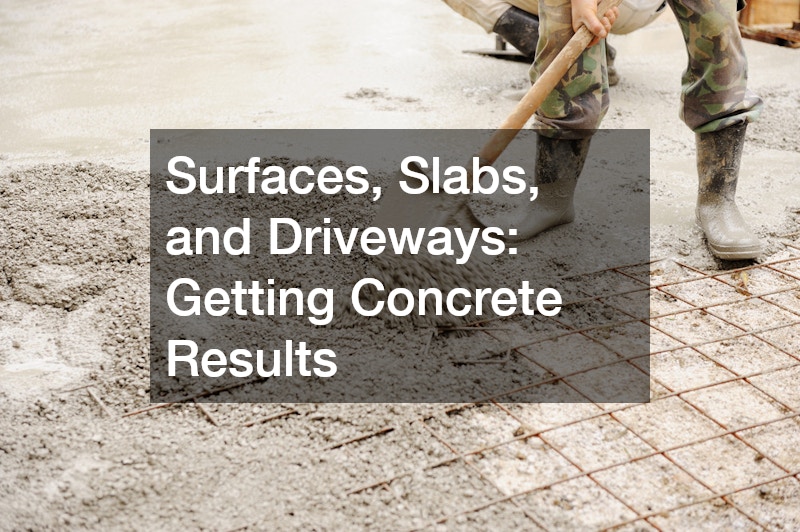
Concrete surfaces are built to last, but they are not immune to damage. Cracks can develop due to settling, weather, or heavy loads. Some cracks are purely cosmetic, while others indicate structural issues. Understanding the difference is essential for determining the right repair approach. Professional concrete services can assess and address these problems effectively.
Proper maintenance extends the life of concrete surfaces. Sealing and joint repairs help prevent water infiltration and further cracking. These measures protect against environmental damage and wear. Regular upkeep ensures that surfaces remain functional and safe. Investing in maintenance reduces long-term costs.
In some cases, minor repairs are not enough. When damage is extensive, full replacement may be necessary. Overlay solutions can work for surface-level issues but may not address deeper problems. Evaluating the extent of damage helps determine the best course of action. A strategic approach ensures lasting results.
Managing the Mess: Smart Waste Removal During Major Repairs
Large-scale home repairs often generate significant amounts of debris. Without proper planning, this can create safety hazards and slow down progress. Scheduling a dumpster early in the process helps keep the worksite organized. It also ensures compliance with local regulations. Efficient waste management supports a smoother project timeline.
Not all construction debris can be handled the same way. Some materials can be recycled, while others require special disposal. Properly sorting waste reduces environmental impact and disposal costs. It also helps contractors work more efficiently. A well-managed site is safer and more productive.
Waste removal planning should be part of the overall project strategy. Delays in debris removal can disrupt workflows and increase costs. Coordinating disposal with repair schedules ensures efficiency. This approach minimizes downtime and keeps projects on track. Proper planning leads to better outcomes.
The Details That Tie It All Together
Small details often have a big impact on the durability of repairs. Materials like paving fabric play a crucial role in stabilizing surfaces. They help prevent shifting and reduce the likelihood of cracks forming. Incorporating these materials into projects enhances longevity. Attention to detail ensures better performance.
Metal components also require specialized care. Gates, railings, and structural brackets may need reinforcement or repair over time. A professional welding service can restore these elements to full strength. Proper maintenance of metal components supports both safety and functionality. Skilled work ensures lasting results.
Property boundaries and exterior features are also important. Fence companies help restore and maintain these elements. A well-maintained fence enhances security and curb appeal. It also defines property lines clearly. Investing in these details contributes to the overall integrity of the home.
Pipes, Drains, and the Hidden Water Problem
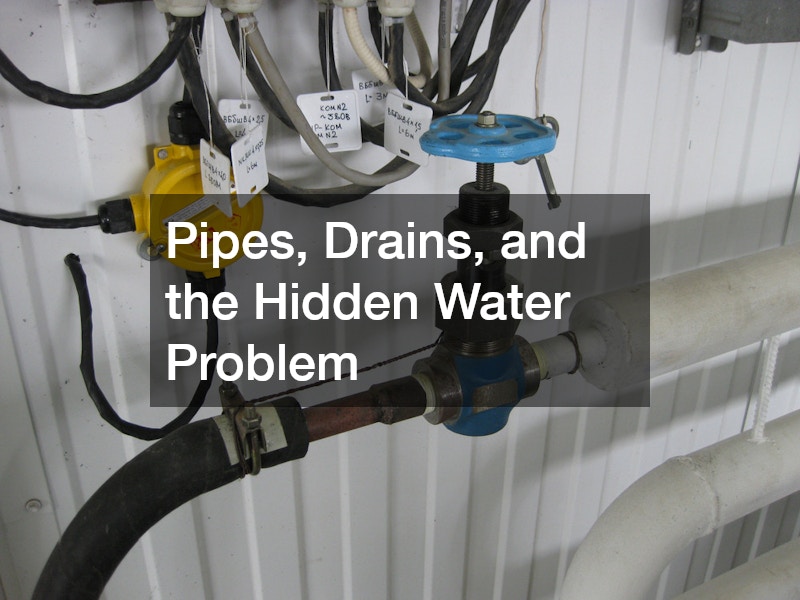
Water issues are not always visible on the surface. A clogged drain line can develop slowly, causing damage over time. Moisture may accumulate behind walls or under floors without immediate signs. This hidden damage can lead to mold and structural problems. Early detection is key to preventing extensive repairs.
Exterior drainage plays a significant role in preventing interior water issues. Poor grading or blocked gutters can direct water toward the home. Over time, this increases the risk of leaks and foundation damage. Addressing drainage problems helps protect the entire structure. Preventive measures are essential.
Determining the right professional to call depends on the nature of the problem. Plumbers handle internal pipe issues, while waterproofing specialists address external concerns. In some cases, both may be needed to resolve the issue. Coordinated efforts ensure that all aspects of the problem are addressed. A comprehensive approach leads to lasting solutions.
Home repair is rarely about a single issue or a quick fix. Most problems are interconnected, with one failure leading to another if not properly addressed. Understanding how different systems interact allows homeowners to make smarter decisions. From structural components to drainage systems, every element plays a role in overall stability. Taking a holistic view is essential for effective maintenance.
Working with the right professionals ensures that repairs are handled correctly and efficiently. Each specialist brings expertise that addresses specific aspects of a problem. Coordinating these efforts leads to more durable and reliable outcomes. Homeowners who invest in quality work benefit from fewer recurring issues. The right team makes all the difference.
Ultimately, maintaining a home is an ongoing process rather than a one-time effort. Regular inspections, timely repairs, and proactive planning help preserve both value and safety. By addressing problems early and comprehensively, homeowners can avoid costly emergencies. A well-maintained home not only looks better but also performs better over time.